- CCE受邀作为中国移动合作伙伴参加中国移动东南亚区域合作会议,共话智慧能源发展
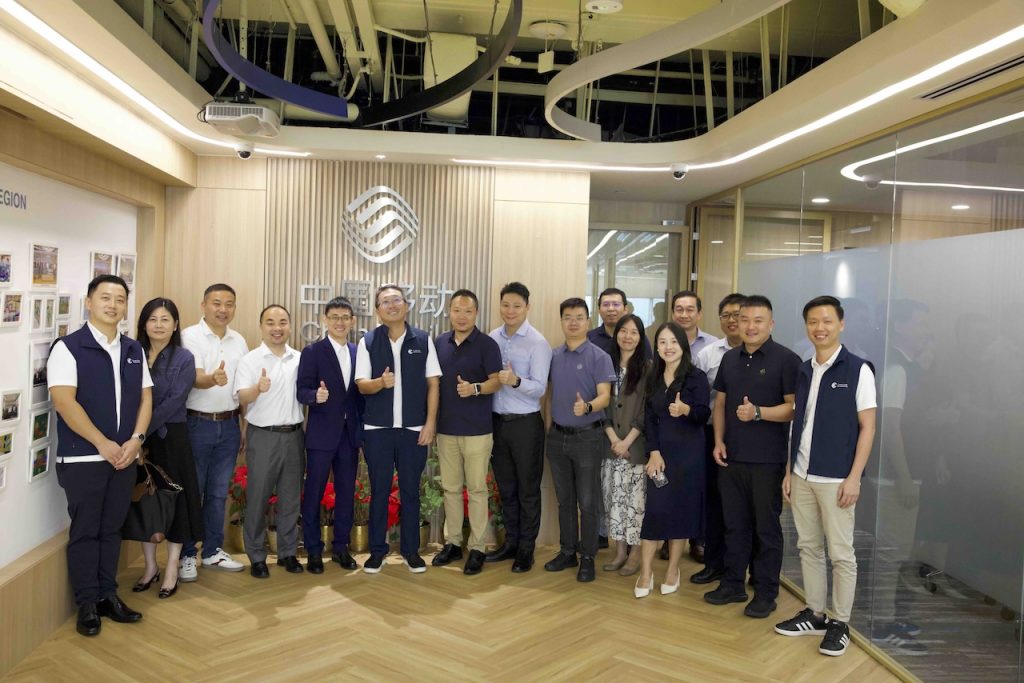
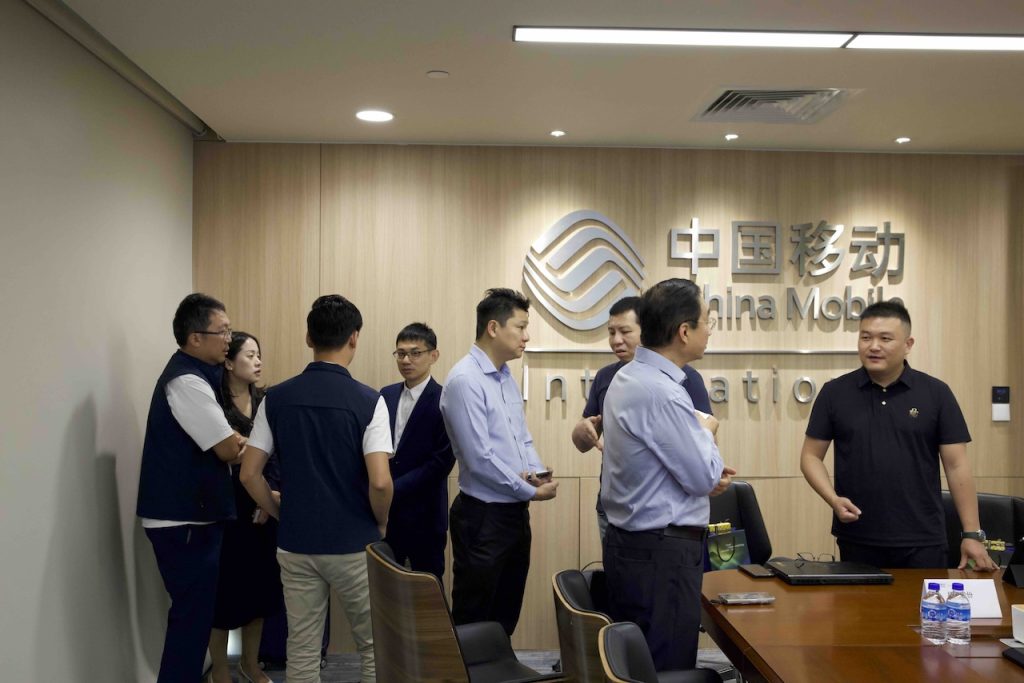
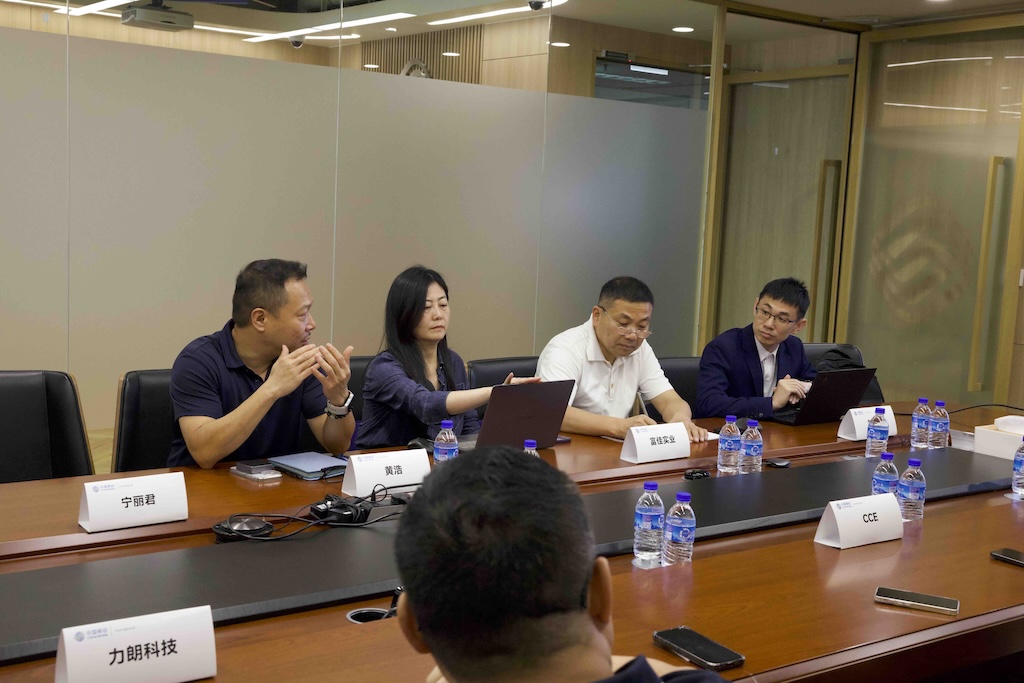
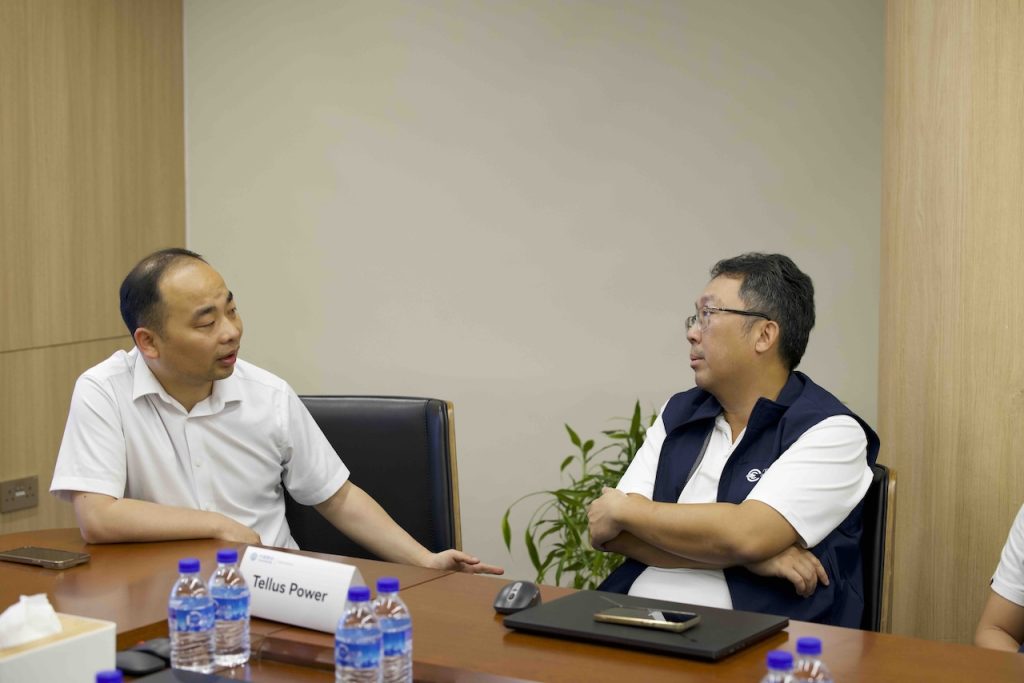
2026年5月27日,Crystal Clear Environmental Pte Ltd(CCE)作为中国移动的重要合作伙伴,受邀参加了中国移动东南亚区域合作会议,并围绕新加坡智慧能源解决方案进行了专题路演,与来自东南亚地区的合作伙伴及行业嘉宾共同探讨数字化与绿色能源融合发展的新机遇。
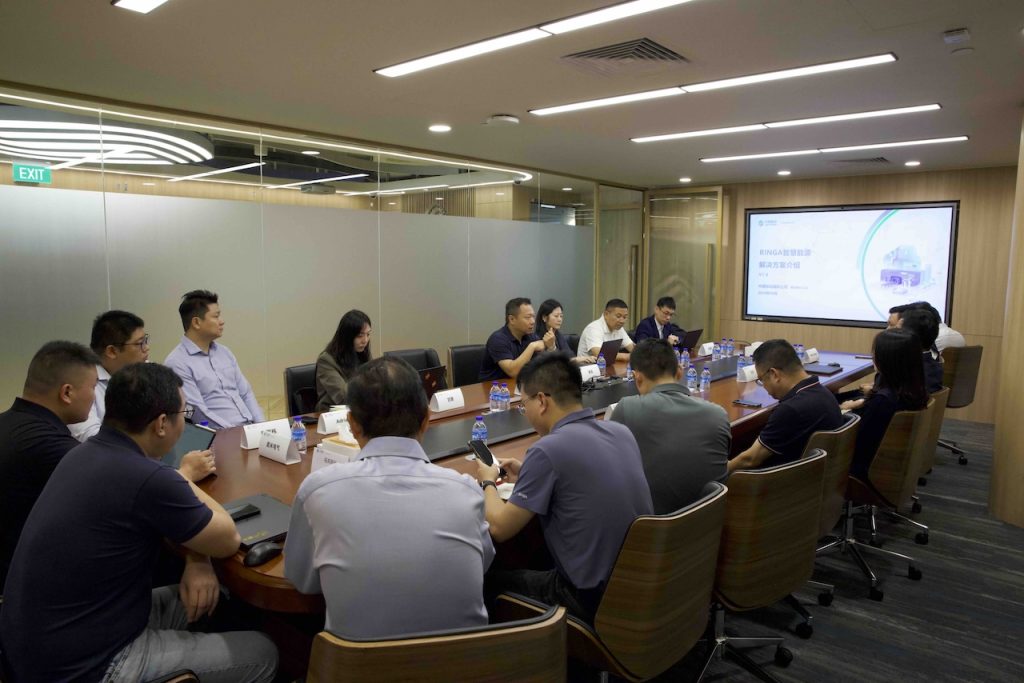
会议期间,CCE重点介绍了公司在新加坡储能及智慧能源领域的创新实践和项目成果,分享了储能系统、能源管理平台以及需求响应(Demand Response)等综合智慧能源解决方案,展示了如何通过数字化技术提升能源利用效率,助力企业实现降本增效和低碳转型。
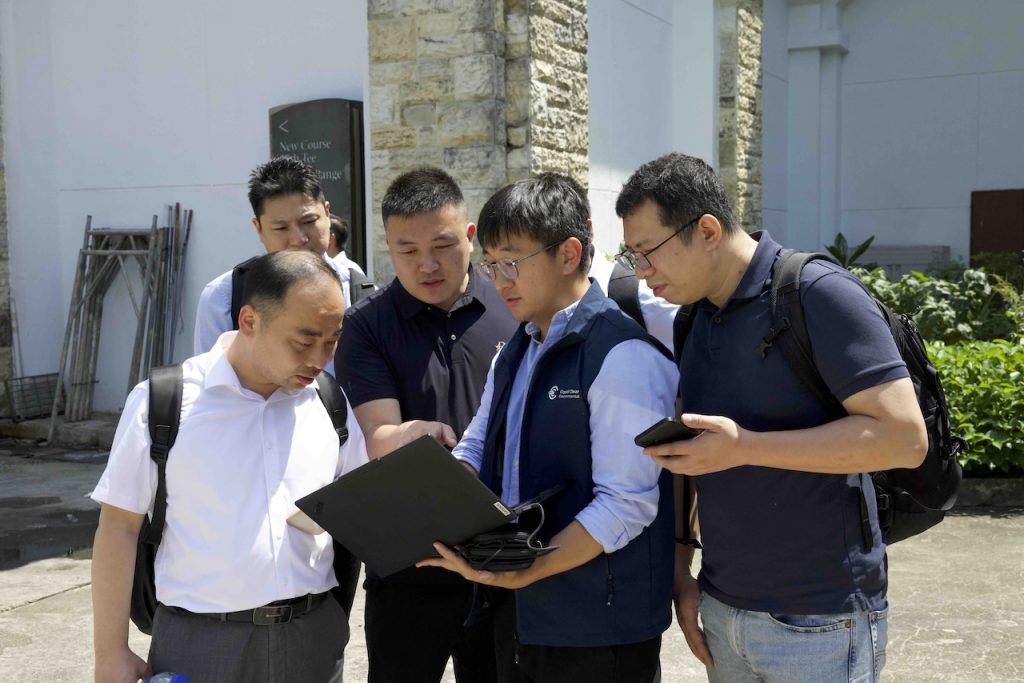
作为本次会议的重要交流环节,CCE还组织与会嘉宾前往公司在新加坡的储能项目进行现场考察。嘉宾们实地参观了储能系统的运行情况,深入了解项目在电网调峰、能源优化及智慧运营方面的实际应用,并就储能技术发展、商业模式创新及区域合作等议题进行了深入交流。
CCE表示,未来将继续深化与中国移动及各方合作伙伴的合作,充分发挥双方在数字化技术与智慧能源领域的优势,共同推动智慧能源解决方案在东南亚地区的推广应用,为区域绿色低碳发展和能源转型贡献力量。
此次参会不仅进一步展示了CCE在新加坡智慧能源领
- CCE Participates in China Mobile Southeast Asia Regional Cooperation Conference as a Strategic Partner
Singapore, 27 May 2026 – Crystal Clear Environmental Pte Ltd (CCE) participated in the China Mobile Southeast Asia Regional Cooperation Conference as a strategic partner of China Mobile, where the company showcased its smart energy solutions and shared its experience in Singapore’s energy transition.
During the conference, CCE delivered a presentation on its integrated smart energy solutions, highlighting the company’s expertise in battery energy storage systems (BESS), energy management, and demand-side energy optimization. The presentation introduced Singapore’s innovative approaches to energy storage and demonstrated how digital technologies can enhance energy efficiency, improve grid resilience, and support decarbonization.
As part of the event, CCE also hosted a site visit to one of its battery energy storage projects in Singapore. Delegates had the opportunity to observe the system in operation, gain first-hand insights into its real-world applications, and learn how energy storage contributes to grid flexibility, peak demand management, and sustainable energy development.
The conference provided an excellent platform for knowledge exchange and regional collaboration. CCE was pleased to engage with industry leaders and partners from across Southeast Asia, sharing best practices and exploring opportunities to accelerate the adoption of smart energy solutions throughout the region.
CCE remains committed to working closely with China Mobile and other strategic partners to drive innovation in digital energy technologies and contribute to a more sustainable and low-carbon energy future for Southeast Asia.
- 新加坡餐饮业储能技术应用
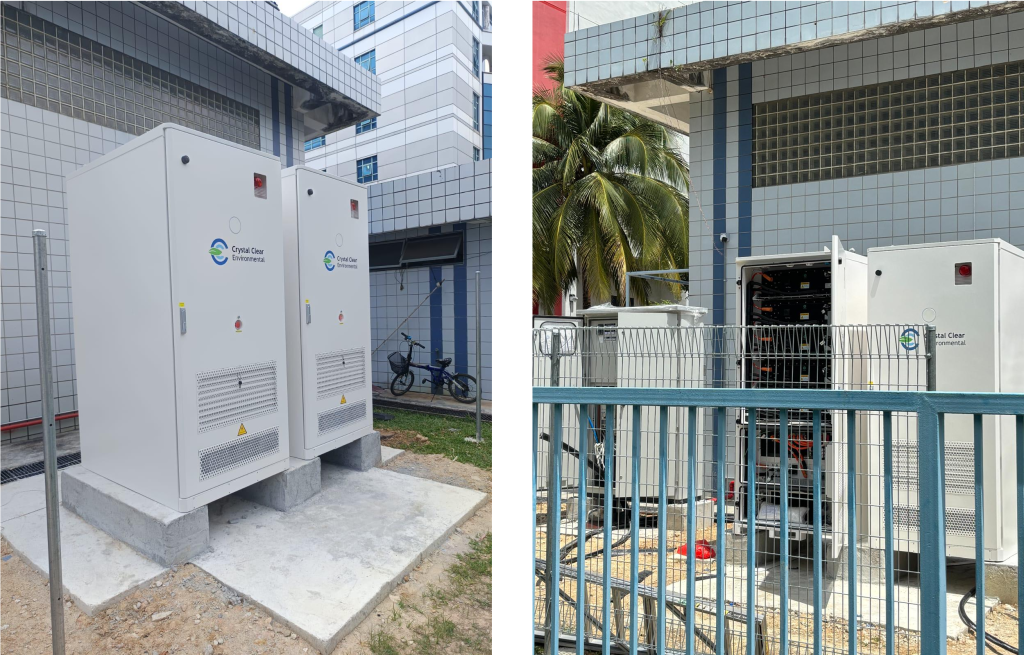
新加坡一家领先的上市餐饮企业已成功部署了一套电池储能系统 (BESS),该系统采用能源资产合作模式。
在这种模式下,该系统作为一项能源资产进行部署、拥有和管理,从而无需前期资本投资即可实现电池储能的集成。
该 BESS 支持削峰、参与需求响应,并通过主动负荷管理优化能源成本。
此次部署体现了资产支持型能源解决方案在提升运营效率和韧性方面的日益普及。
- 2026年能源零售规则变更
新加坡能源市场管理局 (EMA) 宣布,将于 2026 年 6 月 19 日起对新加坡电力零售商的相关规则进行调整。这些调整包括:
通知要求:零售商必须就即将到来的自动续约向消费者发出两次通知,第一次通知应在合同到期前至少 10 个工作日发出,第二次通知应在自动续约前三天内或当天发出。
费用豁免:零售商必须豁免希望在自动续约后的前 60 天内终止合同的消费者的提前终止费用,此前的豁免期限为 30 天。
沟通方式:通知必须通过邮件和移动通信渠道(例如短信、WhatsApp 或零售商的移动应用程序)发送。
这些调整旨在加强消费者保护,并确保电力市场的透明度。新规不适用于SP集团的消费者。
- 新加坡企业在用电高峰期减少用电量可享受更多优惠
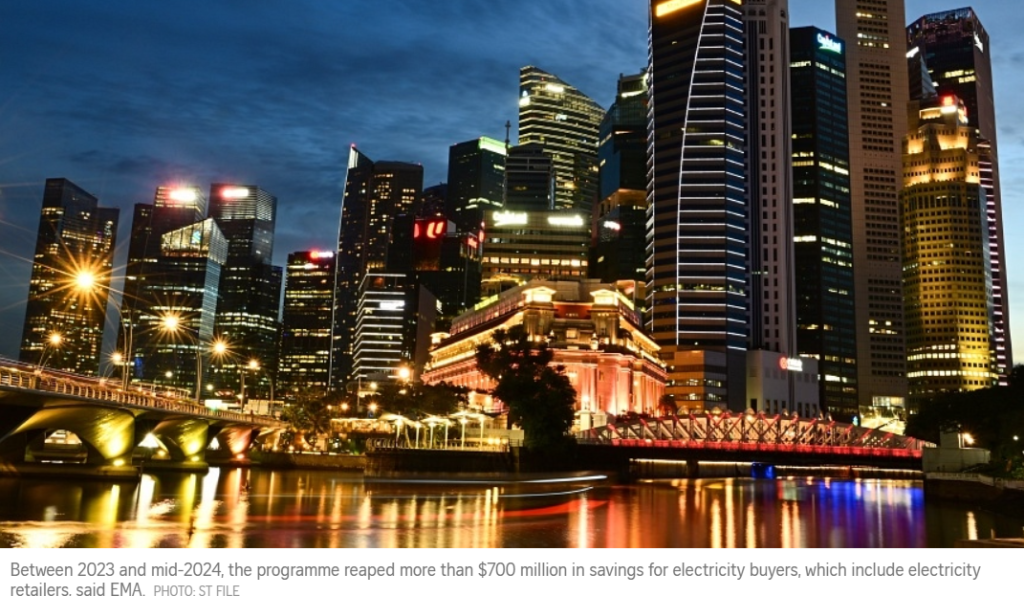
据《海峡时报》报道:“能源市场管理局 (EMA) 扩大了一项计划,更多企业可以通过在用电高峰期降低能源消耗来节省成本并获得奖励。
例如,拥有一定容量电池储能系统 (ESS) 的企业可以在用电高峰期依靠自有电池供电,从而减少从电网的用电量。
该计划的直接好处是降低参与企业的电费并获得经济奖励。此外,根据用电高峰调整用电需求,还能缓解高峰时段和计划外停电期间电网的压力。”
https://www.straitstimes.com/singapore/more-businesses-in-s-pore-to-get-reward-for-reducing-electricity-usage-during-demand-surge
- 虚拟电厂概念

EMA指出:“随着新加坡朝着2050年净零排放的目标迈进,我们将看到分布式能源(DER)的激增。
虽然新加坡的分布式能源本身规模可能较小,且分散在多个地点,但它们可以聚合起来,作为一个单一的发电机运行,为电网提供能源和辅助服务。这种聚合的分布式能源数字平台也被称为虚拟电厂(VPP)。
虚拟电厂已在其他地区展现出满足系统需求的潜力。目前,新加坡批发电力市场(SWEM)尚无监管框架允许通过虚拟电厂聚合分布式能源,以提供能源和辅助服务。
鉴于虚拟电厂能够为我们的电力系统带来的潜在益处,EMA计划通过监管沙盒试点虚拟电厂,以完善虚拟电厂的监管框架。”
Crystal Clear Environmental完全支持EMA在新加坡建立虚拟电厂概念的举措。这有助于提升新加坡电网的整体完整性,同时新加坡也在探索从邻国进口清洁可再生能源的途径。
有意者可在此处提交提案:https://www.ema.gov.sg/content/dam/corporate/partnerships/consultations/harnessing-ders-via-vpps-to-provide-energy-and-ancillary-services/consultation/EMA-Consultations-Consultation-Harnessing-DERSs-via-VPPs-to-provide-energy-and-ancillary-services-20241021.pdf.coredownload.pdf
- 需求响应概念
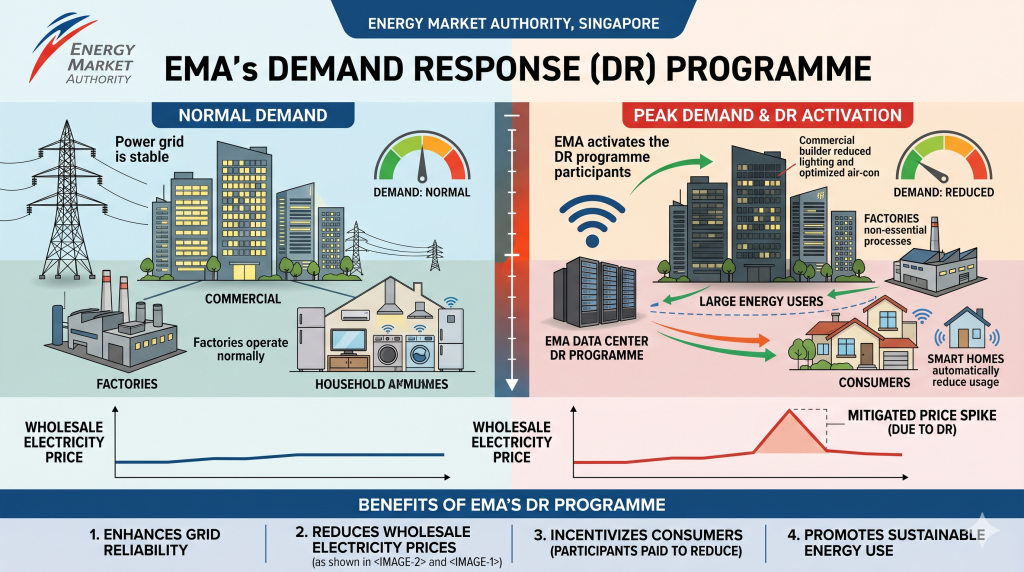
需求响应是指预先设定的计划,将部分电力消耗转移到备用电源,例如储能系统(BESS)。
消费者在批发电价高企时自愿减少用电需求,以换取系统整体收益的一部分。这种用电需求的减少通常有助于降低批发电价。
- 可中断负载概念
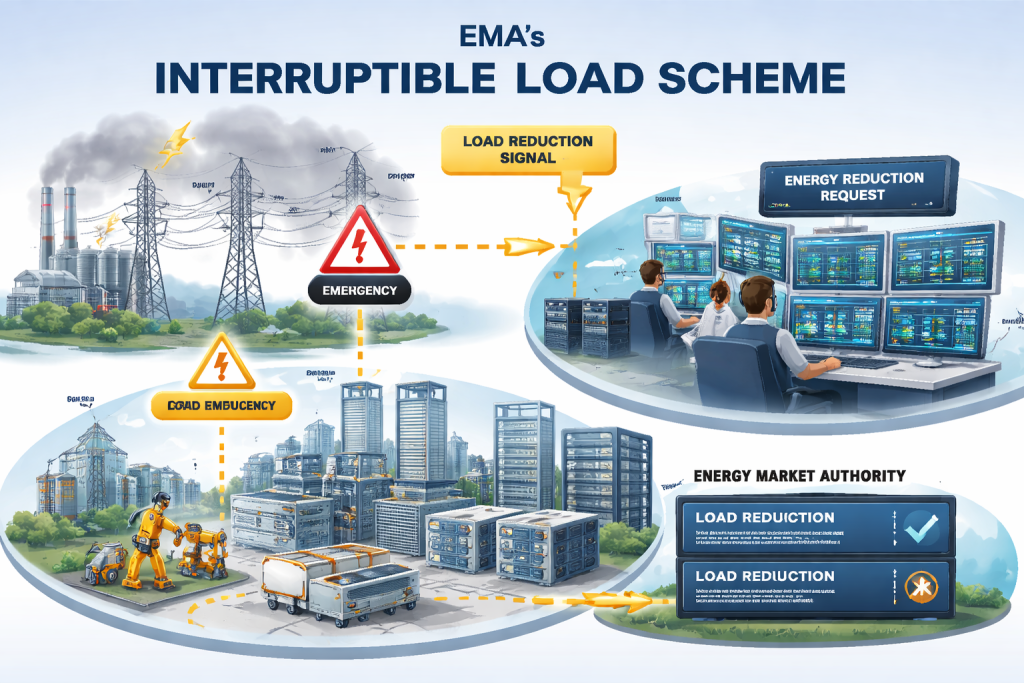
ILS计划旨在激励大型电力用户在用电高峰期降低能耗。
减耗方法包括使用储能系统(BESS)在用电高峰期提供储存的电力、关闭非必要设备以及调整供暖和制冷系统。
参与计划的企业获得的报酬根据减耗幅度以及停电持续时间而定。
消费者需在电力供应紧张的情况下随时准备降低用电需求,以换取报酬。例如,在停电期间。
通常情况下,商业实体以批发价格在公开市场上购买电力。其备用电源/应急电源通常闲置。这些电力可以作为备用负荷削减参与者提供给能源市场,以获得收入。
- Energy Storage Adoption in Singapore’s F&B Sector
Battery Energy Storage System (BESS)
A Battery Energy Storage System (BESS) has been successfully deployed at a leading listed F&B facility in Singapore through an energy asset partnership model.
Under this approach, the system is deployed, owned, and managed as an energy asset, enabling the integration of battery storage without upfront capital investment.
The BESS supports peak shaving, participation in demand response, and optimisation of energy costs through active load management.
This deployment reflects the growing adoption of asset-backed energy solutions to enhance operational efficiency and resilience.
- Energy Retail Rule Change 2026
Change in Energy Retailer Rule 2026
The Energy Market Authority (EMA) has announced changes to the rules governing electricity retailers in Singapore, effective from June 19, 2026. These changes include:
Notification Requirements: Retailers must notify consumers twice about upcoming auto-renewals with the first notification sent at least 10 business days before contract expiry and the second sent within three days before or on the day of the auto-renewel
Fee Waiver: Retailers will be required to waive early termination fees for consumers wishing to end their contracts within the first 60 days of auto-renewal, up from the previous 30 days.
Communication Methods: Notifications must be sent via mail and mobile communication channels such as SMS, WhatsApp, or via the retailer’s mobile application.
These changes aim to enhance consumer protection and ensure transparency in the electricity market. The new rules will not apply to consumers of SP Group.
- Perks for more S’pore businesses to reduce electricity use during peak periods
Quoted from Straits Times “More businesses will reap savings and earn rewards by lowering their energy usage during peak periods under an expanded programme by the Energy Market Authority (EMA).
For example, businesses that own battery energy storage systems (ESS) of a certain capacity can reduce the electricity they draw from the grid during peak periods by relying on their in-house batteries to run operations.
While a direct benefit of this programme is lower electricity costs and financial incentives for participating businesses, adjusting electricity demand in response to peaks will relieve stress on the grid during high-demand periods and unplanned outages.”
https://www.straitstimes.com/singapore/more-businesses-in-s-pore-to-get-reward-for-reducing-electricity-usage-during-demand-surge
- Virtual Power Plant Concept
Quoted from EMA “As Singapore moves towards net-zero emissions by 2050, we will see a proliferation of Distributed Energy Resources (DERs).
While DERs on their own may be small and distributed across multiple locations in Singapore, they can be aggregated to operate as a single generator to provide energy and ancillary services to the grid. This aggregated digital platform of DERs is also known as a Virtual Power Plant (VPP).
VPPs have shown potential of contributing to system needs in other jurisdictions. There is currently no regulatory framework allowing the aggregation of DER via a VPP to provide energy and ancillary services in the Singapore Wholesale Electricity Market (SWEM).
In view of the potential benefits that VPPs can bring to our power system, EMA intends to pilot VPPs via a regulatory sandbox to inform the regulatory framework for VPPs. “
Crystal Clear Environmental is fully supportive of EMA’s direction to setup VPP concept in Singapore. This helps to improve our overall grid integrity while Singapore explore ways to import clean renewable energy sources from nearby countries.
For interested parties, you may submit your proposal here https://www.ema.gov.sg/content/dam/corporate/partnerships/consultations/harnessing-ders-via-vpps-to-provide-energy-and-ancillary-services/consultation/EMA-Consultations-Consultation-Harnessing-DERSs-via-VPPs-to-provide-energy-and-ancillary-services-20241021.pdf.coredownload.pdf
- General Concept for Interruptible Load Scheme
The ILS program is designed to incentivize large electricity consumers to reduce energy consumption during periods of high demand.
Reduction methods can include BESS to provide stored electricity during periods of high demand, turning off non-essential equipment, adjusting heating and cooling systems.
Payment to participating businesses varies based on the level of reduction achieved and the duration of the load shedding event.
Consumers to be on standby to reduce their electricity demand during conditions of tight power generation supply, in exchange for payment. For example, when during a power outage.
Under normal circumstances, commercial entities buys electricity on the open market at wholesale prices. Their backup power / emergency power sources are unused. This power may be offered to the energy market as standby load reduction participants for income.
- General Concept for Demand Response
A Demand Response exercise is a pre-determined scheduled off-set of power consumption to alternate sources such as a BESS
Consumers to reduce their electricity demand voluntarily when wholesale electricity prices are high, in exchange for a share in the system-wide benefits. Such reductions in electricity demand typically help to reduce wholesale electricity prices.